

Nigeria’s fragile fuel market has come under renewed strain as escalating tensions in the Middle East ripple through global oil markets, driving crude prices above $80 per barrel and pushing domestic petrol prices to the brink of N1,000 per litre.
From Lagos to Abuja, motorists woke up to sharp increases at filling stations, with pump prices adjusted almost overnight.
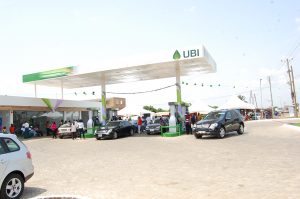
In Lagos, several outlets raised the price of Premium Motor Spirit (PMS) from N830 to N937 per litre. In the Federal Capital Territory, major retailers including NNPC Limited and MRS Oil Nigeria Plc increased prices from N875 to N975 per litre, while some independent marketers dispensed fuel at N960.
The immediate trigger was a fresh upward review in the ex-depot price by Dangote Petroleum Refinery & Petrochemicals, which moved its gantry price from N774 to about N874–N875 per litre. Industry sources attributed the hike to surging global crude prices and rising replacement costs.

A senior refinery official confirmed that petrol loading operations were temporarily suspended earlier in the week in response to the crude spike, a decision that tightened supply expectations and accelerated price adjustments across the downstream value chain.
The international oil rally is tied to intensifying hostilities involving the United States, Iran and Israel, with global markets increasingly nervous about potential disruption around the Strait of Hormuz, a strategic maritime route that accounts for roughly one-fifth of daily global crude supply. Any sustained instability in that corridor could send oil prices soaring further, with analysts warning that $100 per barrel is within reach if tensions escalate.
For Nigeria, which now operates a deregulated petrol pricing regime but remains heavily exposed to global oil benchmarks, the consequences have been swift and severe.
The Petroleum Products Retail Outlets Owners Association of Nigeria (PETROAN) described the unfolding situation as worrisome, warning that sustained geopolitical instability could unleash broader economic consequences.
According to the association, rising crude prices inevitably feed into domestic pump prices, given the cost-reflective pricing environment. It cautioned that beyond retail fuel costs, prolonged volatility could strain foreign exchange markets, distort pricing structures and intensify inflationary pressures across the economy.
PETROAN’s National President, Mr. Billy Gillis-Harry, emphasized the importance of strengthening Nigeria’s domestic refining base as a protective buffer.
While policymakers and marketers debate structural solutions, ordinary Nigerians are already feeling the sting.
“I bought fuel yesterday at N875 per litre, and this morning it is N975. How do you plan in this country? Every increase affects us directly. If we don’t raise transport fares, we run at a loss,” said Mr. Chinedu Okeke, a commercial driver in Abuja, visibly frustrated by the sudden jump.
Commuters fear the inevitable ripple effect.
“I’m already struggling with transport fare to work. If fuel is almost N1,000 per litre, it means fares will go up again. Things are becoming unbearable,” said Mrs. Aisha Ladan, a civil servant in the capital city.
Economic analysts note that transport costs are a major driver of food and commodity prices in Nigeria. As transporters adjust fares upward to reflect higher fuel costs, businesses are likely to pass on additional expenses to consumers, worsening inflationary pressures in an economy already grappling with high living costs.
The psychological impact of petrol nearing the N1,000 threshold is also significant. For many Nigerians, it represents yet another milestone in a period marked by subsidy removal, currency volatility and persistent price adjustments.
With global crude markets on edge and Middle East tensions showing no immediate sign of de-escalation, the outlook remains uncertain. Unless diplomatic efforts calm the energy markets or domestic refining capacity offers meaningful insulation, Nigeria’s petrol price may soon cross the four-digit mark.
For now motorists are apprehensive, businesses brace for rising operating costs and policymakers face mounting pressure to shield the economy from external shocks that continue to shape life at the pump.
Credit: The Sun